Skip to content
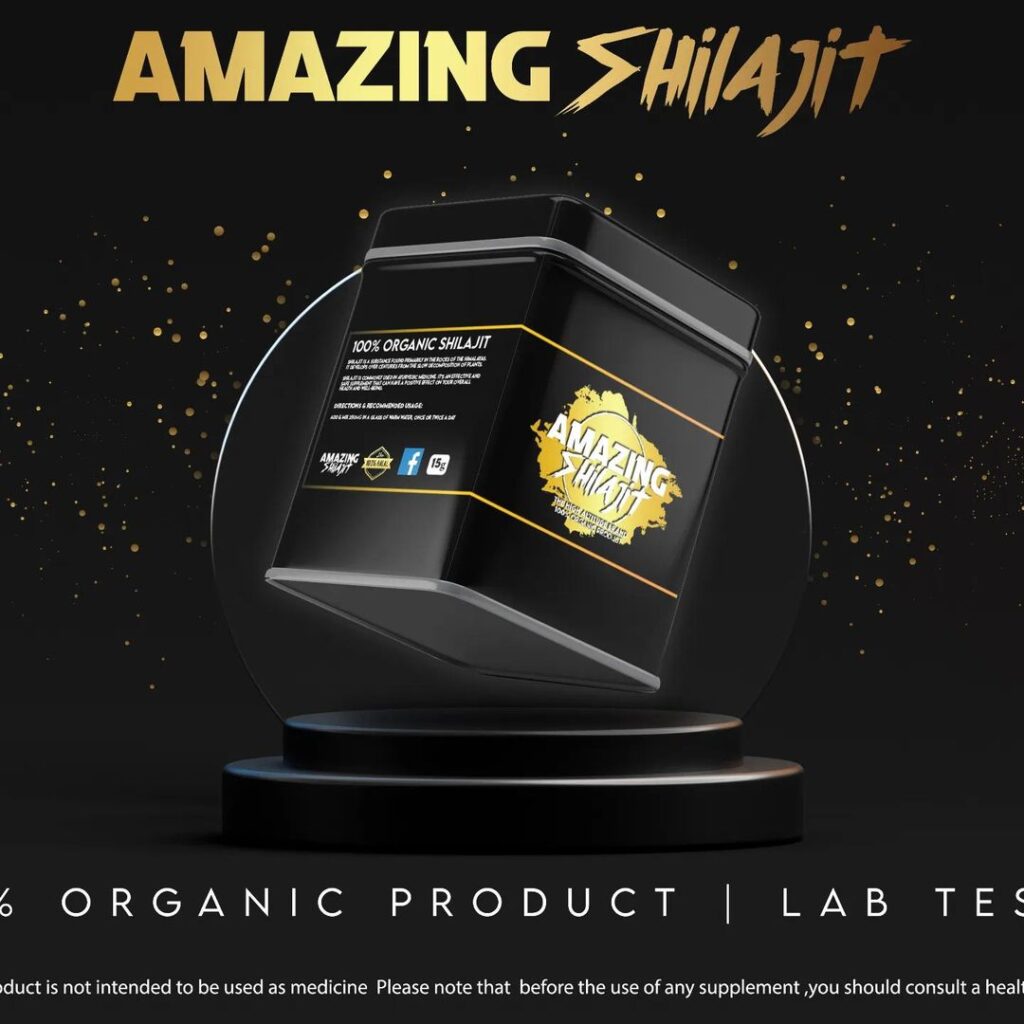
Shilajit, a natural substance found in the mountainous regions of the Himalayas, Pamir, and Caucasus, has been used in Ayurvedic medicine for centuries. It’s fascinating how this organic mineral product, formed in mountain crevices, has stood the test of time, offering numerous health benefits, from enhancing male sexual health to improving muscle performance. Clinical research and anecdotal evidence suggest that Shilajit can help increase testosterone levels. This is particularly intriguing because testosterone plays a crucial role in various bodily functions, from muscle mass and bone density to libido and mood regulation. The fact that Shilajit contains over 20 elements, including vital minerals like calcium, magnesium, and iron, alongside amino acids, carbohydrates, and fulvic acids, makes it a unique supplement option. One of the studies that caught my attention reported that healthy men aged 45 to 55 experienced a significant increase in their testosterone levels after taking 250 milligrams of Shilajit twice daily for 90 days. This supports previous findings and highlights Shilajit’s potential in addressing male sexual issues and infertility. Beyond its impact on testosterone, Shilajit may also offer direct benefits to muscle health. Research has shown that it can affect the extracellular matrix of muscle cells, which are crucial for muscle function, elasticity, repair, and regeneration. Furthermore, studies suggest that Shilajit can help retain maximal muscle strength and reduce connective tissue damage following intensive exercise. Given its array of benefits, I often recommend incorporating 250 milligrams of Shilajit twice daily into your routine, especially for those looking to boost their testosterone levels and improve muscle performance. Whether you prefer it in resin or capsule form, or as part of a testosterone booster with multiple ingredients, Shilajit could be a valuable addition to your health regimen. If you decide to try Shilajit, I’m eager to hear about your experiences. Your feedback not only helps others in our community make informed decisions but also enriches our collective understanding of how traditional remedies can complement modern science in our pursuit of optimal health and performance.